Protocol: NexaFect™ LPEI 40K Transfection Reagent (Solution) Protocol  |
||||||||||||||
| CAS #: 49553-93-7 | ||||||||||||||
| Molecular Formula: (C2H5N.HCl)n | ||||||||||||||
| Molecular Weight: 40,000 (free base) | ||||||||||||||
| Appearance: Colorless liquid | ||||||||||||||
| Storage: Store at 2–8°C. DO NOT FREEZE. | ||||||||||||||
| NexaFect™ LPEI 40K is a premium linear polyethylenimine (LPEI) transfection reagent engineered for high-efficiency, cost-effective, reproducible, and scalable plasmid DNA delivery. By binding and condensing negatively charged plasmid DNA into stable complexes, it drives efficient cellular uptake, robust endosomal escape, and superior gene expression. Specially optimized for large-scale recombinant protein production and industrial eukaryotic cell culture, NexaFect™ LPEI 40K delivers exceptional transfection efficiency across key host lines, including HEK293 and CHO suspension cells.
This product is a ready-to-use aqueous solution of NexaFect™ LPEI 40K hydrochloride. Pre-formulated and fully dissolved, it eliminates the need for powder dissolution and sterile filtration, enabling a hassle-free workflow ideal for fast-turnaround, routine experiments in standard research laboratories. Key Advantages |
||||||||||||||
|
||||||||||||||
|
||||||||||||||
| Polyethylenimine (PEI) Transfection Reagents: Chemistry, Mechanisms and Biomanufacturing Applications 1. Introduction Polyethylenimine (PEI) is one of the most widely used and extensively studied non-viral vectors for nucleic acid delivery, occupying a central place in both academic gene-delivery research and industrial-scale recombinant protein and viral vector manufacturing. First introduced as a gene delivery vehicle in 1995, PEI distinguished itself from earlier cationic lipids and polymers by combining a remarkably high density of protonatable amine groups with the ability to condense, protect, and deliver nucleic acids across the plasma membrane and out of the endosomal compartment without requiring co-formulation with helper lipids. Today, linear PEI formulations in the 25–40 kDa molecular weight range are regarded as the industrial gold standard for transient transfection in large-scale biomanufacturing — including recombinant protein production, monoclonal antibody expression, and AAV/lentiviral vector packaging in HEK293 and CHO suspension cell systems. At the same time, PEI’s cytotoxicity, incomplete biodegradability, and the mechanistic debates surrounding how it escapes the endosome continue to drive an active, decades-long research effort to refine and modify the polymer. 2. Chemistry and Structural Forms PEI is a synthetic cationic polymer built from repeating ethylenimine units, giving it one of the highest densities of protonatable nitrogen atoms of any polymer used in gene delivery (approximately every third atom is an amine nitrogen). It is produced industrially in two principal structural forms: 2.1 Branched PEI (bPEI) Synthesized by acid-catalyzed ring-opening polymerization of aziridine, branched PEI contains a mixture of primary, secondary, and tertiary amine groups in a highly branched, dendrimer-like architecture. The most commonly studied branched form is 25 kDa bPEI. 2.2 Linear PEI (LPEI) Produced by acid-catalyzed hydrolysis (deacylation) of poly(2-ethyl-2-oxazoline), linear PEI consists almost exclusively of secondary amines arranged in an unbranched chain. The two most widely benchmarked linear forms are 22 kDa LPEI and 25 kDa LPEI, with higher-molecular-weight variants (such as 40 kDa) now commonly used in industrial bioproduction. 2.3 Molecular Weight Range Commercial and research-grade PEI spans a wide molecular weight range, from very low molecular weight (LMW) oligomers (~0.8–2 kDa) to high molecular weight (HMW) polymers (>100 kDa). Multiple comparative studies have converged on 20–40 kDa as the practical optimum for most transfection applications, balancing sufficient DNA condensation capacity against escalating cytotoxicity at higher molecular weights. 2.4 Linear vs. Branched: Performance Differences A substantial body of comparative literature indicates that linear PEI generally outperforms branched PEI of comparable molecular weight on two fronts simultaneously: linear PEI-DNA complexes tend to be less tightly condensed, allowing more efficient nuclear entry and higher transgene expression, while also displaying somewhat lower cytotoxicity. Branched PEI, by contrast, offers stronger DNA condensation and can achieve high transfection efficiency, but is generally associated with higher cytotoxicity at equivalent doses — a trade-off that has made linear PEI formulations (22–40 kDa) the dominant choice in commercial, industrial-scale transfection reagents. 3. Mechanism of Action PEI-mediated gene delivery proceeds through a multi-step pathway that is broadly shared with other polycation-based vectors: 3.1 DNA Condensation and Polyplex Formation The protonated amine groups of PEI electrostatically bind the phosphate backbone of DNA (or RNA), driving condensation of the nucleic acid into compact, positively charged nanoparticles known as polyplexes. This condensation both protects the nucleic acid cargo from nuclease degradation and creates a particle with a surface charge favorable for interaction with the negatively charged cell membrane. 3.2 Cellular Uptake Polyplexes bind to negatively charged cell-surface structures — including heparan sulfate proteoglycans — and are internalized predominantly through endocytosis (both clathrin-mediated and, to varying degrees, caveolae-mediated and macropinocytosis pathways, depending on polyplex size and cell type). 3.3 Endosomal Escape: The “Proton Sponge” Hypothesis Perhaps the most widely cited — and most actively debated — feature of PEI-mediated delivery is its proposed ability to escape the endosomal-lysosomal degradation pathway via the “proton sponge” mechanism. According to this hypothesis, the large reservoir of unprotonated secondary and tertiary amines in PEI continues to buffer protons pumped into the endosome by the vacuolar ATPase, forcing continued chloride ion influx and osmotic water uptake. The resulting osmotic swelling is proposed to rupture the endosomal membrane, releasing the polyplex into the cytoplasm before it can be trafficked to the degradative lysosome. Experimental support for this model includes direct measurements showing that PEI-containing vesicles maintain a significantly higher (less acidic) internal pH than vesicles containing non-buffering polycations, and that chemically “N-quaternized” (non-buffering) versions of PEI lose much of their transfection activity despite similar cellular uptake levels. However, the proton sponge hypothesis remains actively contested in the literature. Several more recent biophysical and cell-biology studies have failed to detect the predicted bulk endosomal swelling or rupture under physiological buffering conditions, and alternative or complementary mechanisms have been proposed, including direct interaction of PEI with endosomal/lysosomal membrane lipids, a destabilizing “flip-flop” mechanism analogous to that of antimicrobial peptides, and pH-dependent self-assembly/microstructuring of the PEI chains themselves that may modulate escape kinetics in a time-dependent fashion. The current scientific consensus treats the proton sponge effect as the most broadly supported explanation, while acknowledging it does not fully account for all experimental observations across different PEI architectures and cell types. 3.4 Nuclear Entry and Transgene Expression Once released into the cytoplasm, the PEI/DNA complex must still traverse the cytoplasm and enter the nucleus (directly during mitosis, when the nuclear envelope breaks down, or via active nuclear pore transport in non-dividing cells) for transcription to occur. Confocal imaging studies have shown that PEI itself often accumulates around the nuclear periphery rather than entering the nucleus, with evidence suggesting that competitive interactions between PEI, DNA, and the nuclear envelope may assist in the final disassembly and release of DNA for nuclear entry. 4. Cytotoxicity: Mechanisms and Determinants Cytotoxicity remains the central limitation of PEI as a delivery platform, and has been characterized as a biphasic (“two-stage”) process: 4.1 Phase I — Immediate/Early Toxicity (Membrane Damage) Within minutes to roughly 30 minutes of exposure, free (unbound) PEI and PEI/DNA polyplexes can directly destabilize the plasma membrane through interactions with membrane lipids and heparan sulfate proteoglycans, producing necrotic-like damage. This is experimentally evidenced by lactate dehydrogenase (LDH) release and early phosphatidylserine (PS) externalization. 4.2 Phase II — Delayed Toxicity (Mitochondrial Apoptosis) Over subsequent hours, internalized PEI can permeabilize mitochondrial membranes (through direct pore formation and/or secondary effects of endoplasmic reticulum stress and calcium release), triggering cytochrome c release, caspase activation, and classical apoptotic cell death. Oxidative stress and activation of inflammation-associated gene expression programs have also been documented following PEI exposure. 4.3 Key Determinants of Toxicity • Molecular weight: Higher molecular weight PEI is consistently associated with greater cytotoxicity, generally attributed to larger aggregate formation on the cell surface and a higher density of membrane-destabilizing cationic charge per polymer chain. • Branching: Branched PEI tends to be more cytotoxic than linear PEI of comparable molecular weight. • Free (unbound) polymer excess: Cytotoxicity is strongly influenced by the amount of free, uncomplexed PEI present in a formulation, independent of the DNA-bound fraction. • Cell type and exposure duration: Sensitivity varies substantially across cell lines, and toxicity is dose- and time-dependent; notably, autophagy has been shown to play a protective role by mitigating both necrotic and apoptotic PEI-induced cell death in some systems. 4.4 Strategies to Mitigate Toxicity Decades of medicinal-chemistry effort have focused on reducing PEI’s inherent toxicity while preserving transfection efficiency: • PEGylation — grafting polyethylene glycol chains onto the PEI backbone shields surface cationic charge, reducing direct membrane contact and cytotoxicity, though often at some cost to transfection efficiency and endosomal escape. • Acylation/partial modification — chemical capping of a fraction of amine groups (e.g., acetylation) reduces charge density and toxicity. • Bioreducible and acid-labile (degradable) PEI — incorporating disulfide bonds or acid-cleavable linkers allows high-molecular-weight PEI to be assembled from low-molecular-weight building blocks that degrade into less toxic fragments once inside the cell or endosome, aiming to combine the condensation efficiency of HMW PEI with the biocompatibility of LMW PEI. • Low molecular weight (LMW) PEI combinations — co-formulating small amounts of high-efficiency HMW PEI with excess LMW PEI has been shown in some systems to preserve transfection activity while lowering the overall cytotoxic burden. • Targeting ligand conjugation — attachment of cell-targeting moieties (sugars, peptides, antibody fragments) can improve selectivity and, in some formulations, allow effective transfection at lower overall PEI doses. 5. Comparative Performance: PEI vs. Other Transfection Platforms 5.1 PEI vs. Lipid-Based Reagents Head-to-head comparisons in HEK293 and CHO systems generally find that lipid-based reagents retain an edge in smaller-scale, research-oriented transfections, particularly for sensitive or hard-to-transfect adherent cell lines, while linear PEI formulations are favored in large-scale, suspension-culture industrial bioproduction due to their substantially lower cost per dose, compatibility with serum-containing media, and straightforward scalability to bioreactor volumes. 5.2 Emerging Alternatives More recent work evaluating cell-penetrating peptide (CPP)-based transfection reagents has reported superior protein yields compared with PEI-based polyplex methods in industrial CHO and HEK293 production settings, highlighting that — despite its dominant market position — PEI is not without competition, and that classical small-scale transfection efficiency assays (e.g., GFP-positive cell percentage) do not always reliably predict large-scale protein production performance, an important caveat for process development teams scaling up from lab-bench screening data. 6. Applications in Research and Industrial Bioproduction 6.1 Transient Gene Expression (TGE) for Recombinant Protein and Antibody Production Linear PEI (25–40 kDa) is the dominant transfection method for large-scale transient expression of recombinant proteins and monoclonal antibodies in suspension-adapted HEK293 and CHO cell lines, valued for its low cost at manufacturing scale, compatibility with serum-containing or chemically defined media, and robust performance across bioreactor volumes ranging from shake flasks to large stirred-tank systems. 6.2 Viral Vector Production PEI-mediated transfection is widely used for triple- or multi-plasmid co-transfection protocols in the production of recombinant AAV (adeno-associated virus) and lentiviral vectors, both of which are increasingly in demand for gene therapy and cell therapy manufacturing. Process parameters — including the PEI:DNA ratio, free PEI content, and timing of transfection enhancers — have been shown to significantly affect viral vector yield, and continue to be active areas of process optimization research. 6.3 Stable Cell Line Generation PEI-mediated transfection, followed by selection (e.g., antibiotic resistance markers) or site-specific integration strategies (e.g., recombinase-mediated cassette exchange), is used to generate stable producer cell lines for long-term recombinant protein manufacturing. 6.4 In Vivo and Gene Therapy Applications PEI and its chemically modified derivatives have been investigated for local and systemic in vivo gene delivery, including intratumoral gene therapy applications, although cytotoxicity, limited biodegradability, and immune/inflammatory responses to free cationic polymer remain significant barriers to broader clinical translation compared to the in vitro/industrial bioproduction setting, where these concerns are far more manageable. 7. Practical Process Considerations Across both research and industrial applications, several parameters are consistently identified as critical for optimizing PEI-mediated transfection: • DNA:PEI (or N/P) ratio — the mass or molar ratio of PEI amine groups to DNA phosphate groups is one of the single most important variables, directly affecting polyplex size, surface charge, cellular uptake efficiency, and cytotoxicity; optimal ratios differ by cell type, PEI product, and application, and are typically determined empirically through a small-scale titration. • Cell density at transfection — both under- and over-confluent/dense cultures can reduce transfection efficiency and downstream protein yield. • Serum and pH conditions — unlike many lipid-based reagents, PEI-mediated transfection is generally compatible with serum-containing medium, and in several reported systems, moderate serum concentrations can further improve transfection efficiency and protein titers; solution pH also directly affects PEI’s protonation state, DNA condensation ability, and consequently its transfection performance and toxicity profile. • Free (uncomplexed) PEI — residual free polymer in a transfection mixture contributes to both enhanced transfection (by assisting endosomal escape of neighboring complexes) and increased cytotoxicity, making this a key quality and consistency parameter for commercial PEI reagent manufacturing. • Scale-up considerations — transfection efficiency assays performed at small (well-plate) scale do not always reliably predict volumetric productivity at bioreactor scale, so process development groups are increasingly advised to validate candidate reagents and conditions directly at representative production scale rather than relying solely on lab-scale screening metrics. 8. Advantages and Limitations Summary
9. Conclusion Polyethylenimine remains, three decades after its introduction, the dominant workhorse reagent for large-scale transient transfection in industrial recombinant protein, monoclonal antibody, and viral vector manufacturing — a position earned through its unmatched combination of low cost, scalability, and serum compatibility. Linear, highly deacylated PEI formulations in the 25–40 kDa range represent the current performance benchmark, consistently outperforming earlier, partially acylated formulations. |
||||||||||||||
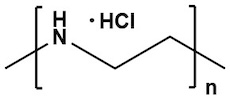
NexaFectTM LPEI 40K Transfection Reagent (Solution)
(Ready-to-Use for Simple, Hassle-Free Transfection)
A complimentary sample is available upon request.


For Research & Development use only. Not for testing and/or use on humans.